Umrah in Rajab, Sha'ban, and Ramadan 1448: Peak Season Regulations and What They Mean for Egyptian Pilgrims
Umrah6 min read
In this article
Last update: 1 November 2026
In brief:
- The Ministry of Tourism and Antiquities' regulations for Umrah Season 1448 treat Rajab, Sha'ban, and Ramadan as “peak months,” with a special rule for trip approvals.
- During these months, the Ministry will not approve a new trip for any company until their existing groups in Saudi Arabia return, with a maximum of three trips for a company within the Kingdom at any given time.
- For the rest of the season, it is sufficient for 70% of the company's pilgrims to have returned before a new trip can be approved. There is no cap on the number of pilgrims per trip.
- The maximum package duration is 15 days, but for packages running between 15 Sha'ban and 17 Ramadan, it can be up to 35 days.
- For the Egyptian pilgrim: each company has limited travel slots during Rajab, so book early with a licensed company, and check your trip dates and duration in the contract.
As the month of Rajab approaches, there is renewed discussion surrounding the regulations for organizing Umrah trips during the peak months. On 30 October 2026, El Watan newspaper published statements from a member of the Egyptian Federation of Tourist Chambers about the number of trips companies can run in Rajab. This rule isn't new; it is part of the regulations issued by the Minister of Tourism and Antiquities on 15 July 2026. However, these rules start to have a real impact on travel dates once Rajab begins. In this article, we explain the official regulations and what they mean for those planning Umrah in Rajab, Sha'ban, or Ramadan.
What happened?
Mr. Sherif Fathy, Minister of Tourism and Antiquities, approved the regulations for Umrah Season 1448 AH after they were drafted by the Higher Committee for Umrah and Hajj, according to the press release by the Ministry of Tourism and Antiquities dated 15 July 2026. Some of the main points regarding travel dates and durations:
- No cap on the number of pilgrims per trip.
- During normal times, the Ministry does not approve a new trip for a company until 70% of the pilgrims from its ongoing trips in Saudi Arabia have returned. The percentage is calculated from the return date of the company's first trip.
- During peak months (Rajab, Sha'ban, and Ramadan), new trips are only approved once all of the company's trips in the Kingdom have returned, and no more than three trips can be in the Kingdom simultaneously.
- The maximum duration for an Umrah package is 15 days. For the first time, packages running from 15 Sha'ban to 17 Ramadan are allowed to span up to 35 days.
In statements to El Watan on 30 October 2026, Ahmed Wahid, member of the General Assembly of the Egyptian Federation of Tourist Chambers, said that each company may organize up to three Umrah trips in Rajab, and the second trip cannot be organized until all pilgrims from the first have returned, and likewise for the third. He added that most travelers during Rajab choose affordable 15-day packages. This is his interpretation of the regulations, but the official text is as quoted from the Ministry's press release above.
What does this mean for Egyptian Umrah pilgrims?
1) Limited travel slots for each company in Rajab, Sha'ban, and Ramadan. A company cannot send back-to-back trips without limit, as each new trip depends on the return of previous trips, and they cannot have more than three trips in the Kingdom at the same time. This means your travel date may depend on the company's overall schedule and popular dates might sell out fast.
2) Rajab Umrah packages last up to 15 days only. The exception allowing packages up to 35 days applies only from 15 Sha'ban to 17 Ramadan. If you are offered a package in Rajab longer than 15 days, ask the company before paying.
3) No limit on the number of pilgrims per trip. Groups may be large during peak season, so ask about the number of accompanying supervisors and the arrangements for Transfers between your hotel and the Haram.
4) Hotel location distance limits apply. Regulations permit accommodation in Makkah only at hotels no more than 3,000 meters from the Haram courtyard. If the hotel is more than 1,250 meters away, it must be on a main road in a serviced area, with shuttle bus Transfers to the Haram provided. In Madinah, the maximum is 1,400 meters from the Prophet’s Mosque, with a minimum of one overnight stay required.
5) Only deal with licensed companies. Organizing Umrah trips is legally restricted to licensed Travel Agencies, according to Egyptian Umrah Portal Law No. 72 of 2021. The Ministry urges citizens not to deal with brokers, intermediaries, or unlicensed entities.
What should you do now?
- Book early if you wish to travel during Rajab, Sha'ban, or Ramadan, and ask the company for the exact trip date and duration, written in your contract.
- Read the announcement carefully before signing a contract. Regulations require the package announcement to include all details: price, travel fare, company's license number, and logo. Missing details are a red flag for further inquiry.
- Download the “Rafiq” app. Upon booking, the company is required to advise you to download the app, create an account, and upload your Booking File and payment receipt. The app provides a QR code for your journey and allows you to confirm arrival at your contracted hotels in Makkah and Madinah or submit complaints.
- Request your ID card. Regulations require the company to issue an ID card for each pilgrim with contacts for company supervisors, Ministry committees in Saudi Arabia, the Saudi Ministry of Hajj and Umrah short code, plus your personal and trip details on your luggage and hotels.
- Ask about your hotel's distance from the Haram and the availability of Transfers if it's far away.
- Compare packages before booking. You can compare Umrah Packages from licensed Egyptian companies, including dates, prices, and hotels, on the 4Safar Umrah Packages page.
Frequently Asked Questions
Is each company allowed only 3 trips in Rajab?
The Ministry's press release states that new trips for the company during the peak months are not approved until all existing trips in the Kingdom have returned, and that no more than three trips can be in the Kingdom at the same time. The “three trips in Rajab” number comes from the Federation of Tourist Chambers' statement to El Watan. Ask your company about their approved trip dates.
What is the difference between the 70% rule and the peak months rule?
During regular times, it is enough for 70% of the company's pilgrims to have returned for a new trip to be approved. During Rajab, Sha'ban, and Ramadan, all existing trips must return before any new ones are approved, with a maximum of three trips in the Kingdom at once.
What is the maximum duration for a Rajab Umrah package?
15 days. The longer duration of up to 35 days is allowed only for packages running from 15 Sha'ban to 17 Ramadan.
Is there a limit on the number of pilgrims per trip?
No. The 1448 season regulations have removed any cap on the number of pilgrims per trip.
How do I know if a company is licensed?
Regulations require the company's license number and logo to be shown in package ads, and only licensed agencies may organize Umrah trips by law. Ask for the license number before paying, and avoid brokers and intermediaries.
Is the “Rafiq” app mandatory?
Regulations require the company to inform the pilgrim or their family to download the app and create an account for each traveler, uploading all contract documents. The app is available from official app stores.
Sources
- Egyptian Ministry of Tourism and Antiquities: Adopting Umrah Trip Regulations for the 1448 Season — 15 July 2026
- El Watan: “Tourist Chambers” announce Umrah trip regulations in Rajab — 30 October 2026
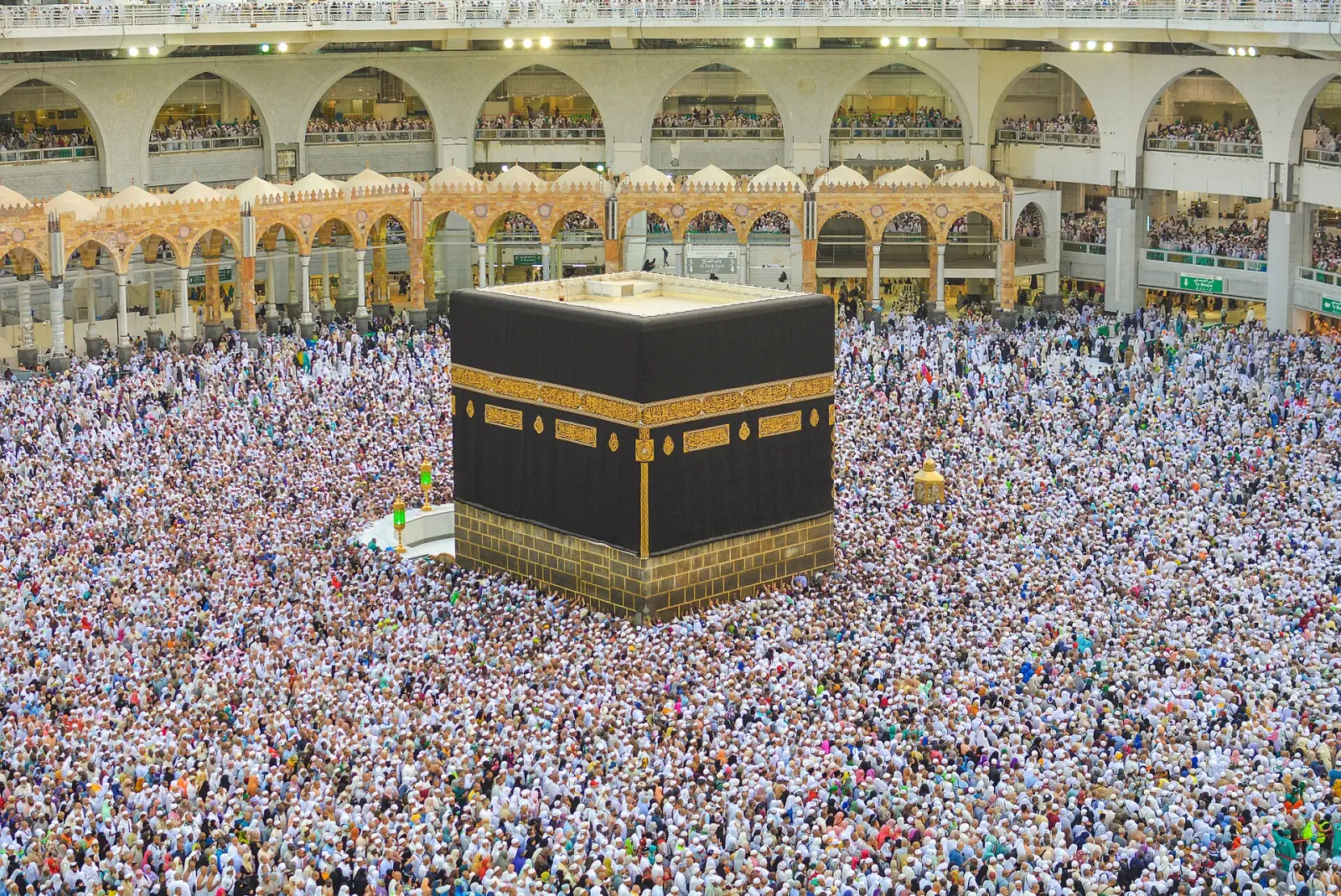
Cover image: Pilgrims performing Tawaf around the Kaaba in the Grand Mosque, photo by Adli Wahid via Wikimedia Commons, under CC BY-SA 4.0 license — Source.
Planning an Umrah trip?
Compare the Umrah packages available and their prices, then choose the one that suits you.
More helpful articles for your trip
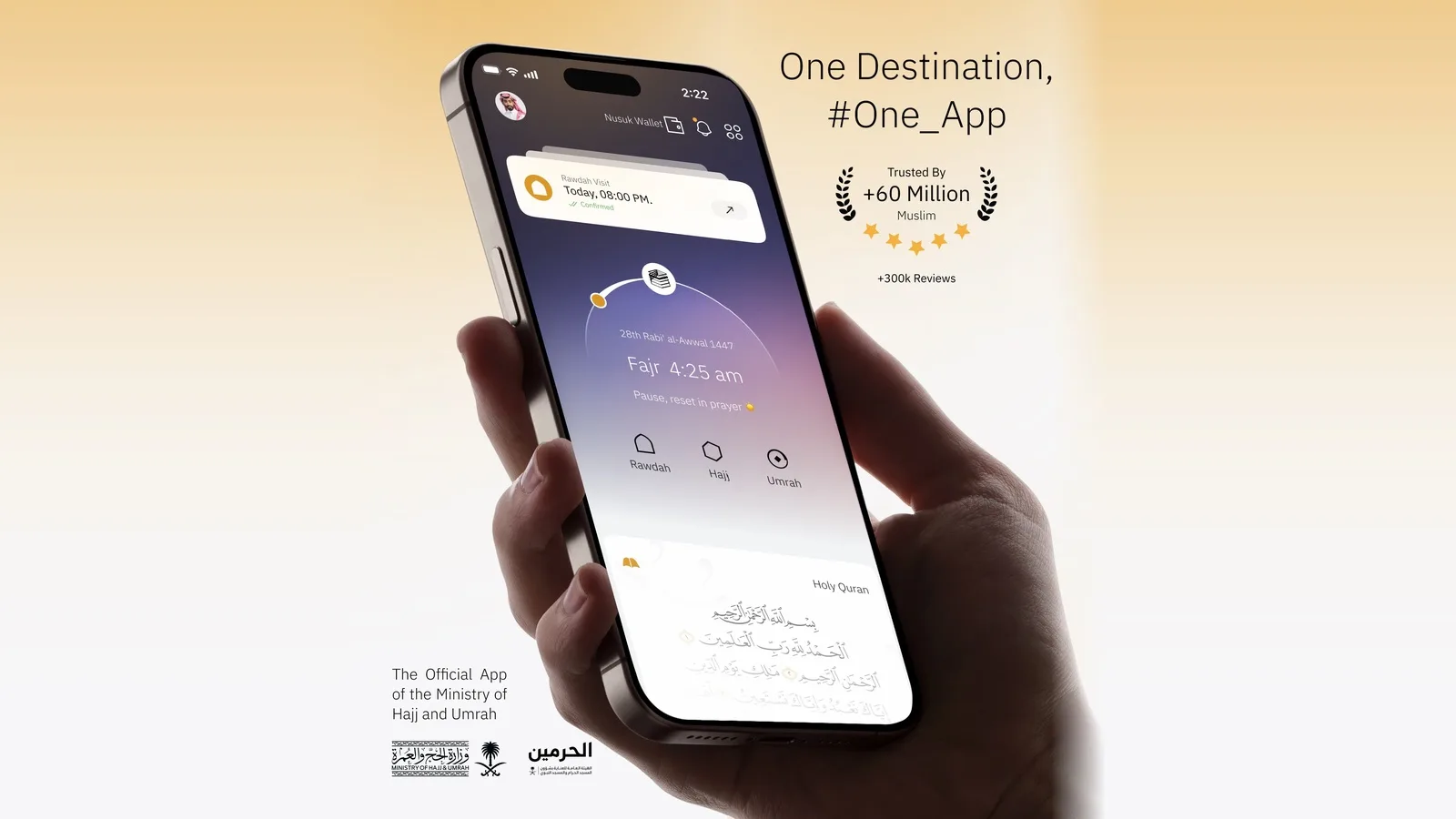
Nusuk App Services for Egyptian Umrah Pilgrims: Permits, Rawdah Booking, Digital Mutawwif, and a Complete Guide
Nusuk is the official platform for Umrah, overseen by Saudi Arabia's Ministry of Hajj and Umrah. We explain the key services Egyptian pilgrims need before traveling and during their stay in Makkah and Madinah—from booking the Umrah appointment and Rawdah permit to the digital Mutawwif and Haramain Train—based on Nusuk's official pages.
UmrahNovember 6, 20266 min read
Refund of Hajj Tourism Booking Deposits 1448 for Unsuccessful Applicants: Date, Location, and Required Documents
The Chamber of Tourism Companies has announced that approximately 114,000 applicants who did not win in the Hajj tourism lottery 1448H can reclaim their booking deposits starting Thursday, November 5, 2026, from any branch of Banque Misr with their original valid national ID card. We explain the refund amounts by tier, the non-refundable EGP 150, and the immediate steps to take.
UmrahNovember 4, 20265 min read
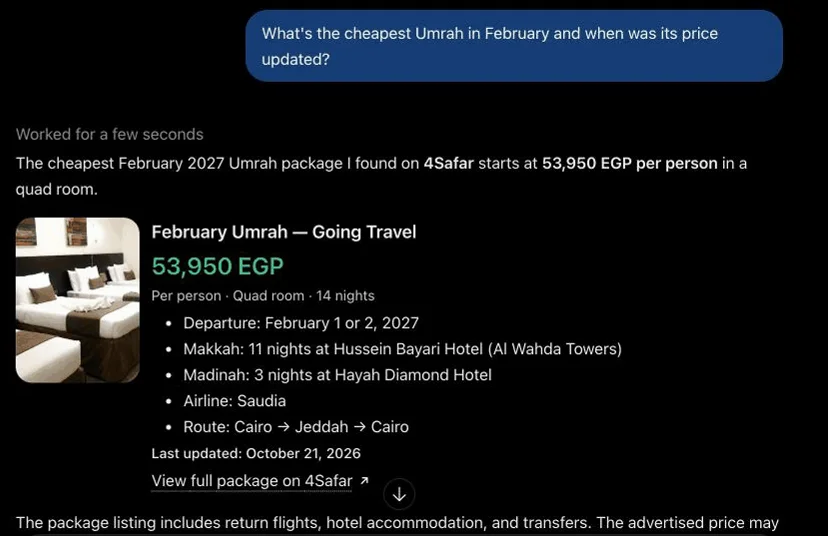
Ask ChatGPT or Claude About Umrah Prices: An Easy, Free Guide with 4Safar
You can now ask ChatGPT or Claude about Umrah, and get real Packages from 4Safar with current prices, hotels, and travel dates. The service is free, requires no account, and neither assistant takes your name or phone number.
UmrahOctober 27, 20264 min read